phone
+237693682728
email
info@queenfogangfoundation.com
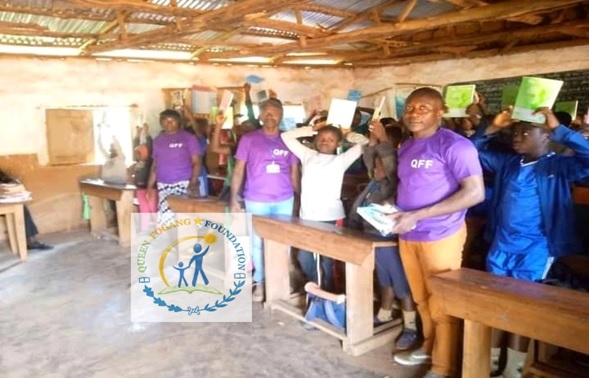
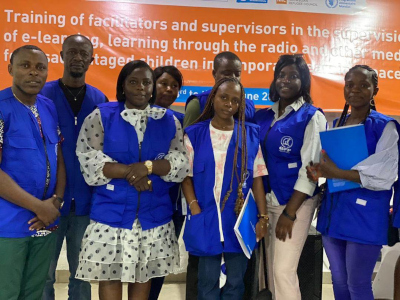 QFF is committed to leading the course for the eradication of poverty, support sustainable development and growth focusing on the welfare of women & girls, children, the vulnerable and the deprived. We prioritize on quality and inclusive education for all working directly with the people, communities, government and organizations.
We envision an inclusive society where vulnerable women, girls, men, boys and the virtually impaired gain equal
and quality opportunities to education, protection and sustainable growth.
QFF is committed to leading the course for the eradication of poverty, support sustainable development and growth focusing on the welfare of women & girls, children, the vulnerable and the deprived. We prioritize on quality and inclusive education for all working directly with the people, communities, government and organizations.
We envision an inclusive society where vulnerable women, girls, men, boys and the virtually impaired gain equal
and quality opportunities to education, protection and sustainable growth. 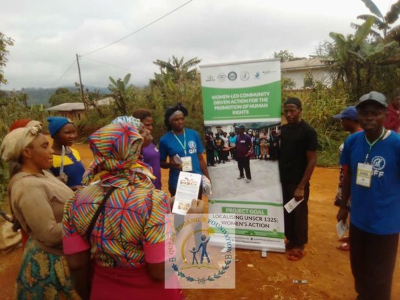 We operate on the fundamental belief that true development is only achievable when it is inclusive. Our premise is rooted in the understanding that vulnerability is not a permanent state, but a condition created by systemic barriers and unequal access. We recognize that women, girls, men, boys, and persons with visual impairments often face intersecting forms of marginalization that deny them their basic human rights.